
What makes a hero easy
An easy hero is one that forgives mistakes and doesn't drain attention on extra micro. The less focus goes into "how to press", the more is left for "what to do": last-hitting creeps, watching the map, getting to fights on time. So a beginner gains more by learning the basics on a simple hero from a narrow pool than by struggling with a hard one.
Look for heroes with point-and-click abilities (aim and press), no micro, durability or a built-in save, and a clear job. On such a hero you learn the game instead of fighting the controls. One or two mastered heroes give more than twenty learned a little.
Hero difficulty is shown in the client
Lists of easy heroes go stale: heroes get reworked, and yesterday's forgiving pick ends up with a skillshot. You don't have to trust someone else's list, though — the difficulty rating lives in the game itself.
- Three levels. Every hero's panel carries a complexity rating from one bar to three. One means no micro and no aiming; three means many mechanics and a high cost of mistakes.
- A filter in the hero grid. The whole roster filters by complexity: a few seconds show you who counts as the simplest right now.
- Valve sets the rating. It changes together with a rework, so it does not go out of date the way an article or a video does.
- Bars are not power. Complexity says how hard a hero is to control, not how strong they are this patch. An easy hero can be strong and a hard one weak.
So the practical order is: filter by complexity, take one or two heroes from the lists below, and play them until your hands stop thinking. Turbo mode is a convenient place to break in a new hero before ranked.
Easy carries
The carry (position 1) farms and decides the late game. For a beginner, simple last-hitting and survivability matter, and these double as self-sufficient picks that carry solo ranked:
- Wraith King. A point-and-click stun and passive lifesteal, while his reincarnation ultimate barely punishes death — the ideal "hero of mistakes".
- Sven. Tanky, with clear burst and big damage; easily pushes through the lane and fights.
- Ranged carries like Drow Ranger or Sniper — simple last-hitting from a distance, but they need careful positioning.
How to turn a carry's farm advantage into a win — in the guide on farming and last-hitting.
Easy mid and offlane
In the mid and offlane, tanky and "press-to-win" heroes suit a beginner:
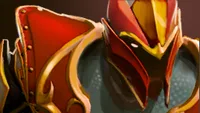
- Dragon Knight. Tanky, with damage and a stun; equally comfortable mid and offlane, and forgives positional mistakes.
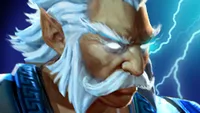
- Zeus (mid). Pure point-and-click nukes with no skillshots and no micro — teaches focus on the map and damage timings.
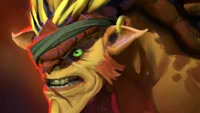
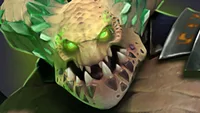
- Tanky offlaners like Bristleback or Underlord — lots of health and simple abilities, hard to push off the lane.
How the roles' jobs differ — in the guide on roles and positions.
Easy supports
The support (positions 4–5) learns the map and helping the team. The easiest ones have clear control:
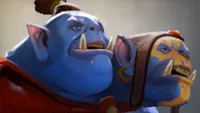
- Ogre Magi. A tanky support with a point-and-click stun; durable and barely punished for positioning mistakes.
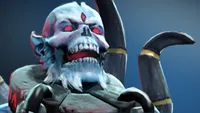
- Lich. Simple strong nukes and a slow, with a clear role in lane and in fights.
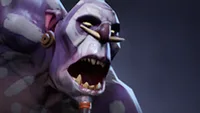
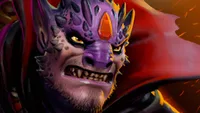
- Nukers like Witch Doctor or Lion — powerful abilities but squishy: they teach cautious positioning (see positioning).
Where a support should start its shopping — in the guide on starting items.
This guide's twelve heroes: Valve's rating and patch 7.41f
The client's complexity rating is also available as a list: Valve publishes it in official Dota 2 data. There are 127 heroes in the game right now: 55 of them have one complexity bar, 59 have two and 13 have three. Below are all the heroes from this guide with their bars and what matters for a newcomer after patch 7.41 and its follow-ups up to 7.41f (released September 15, 2026).
| Hero | Role | Complexity | What to know |
|---|---|---|---|
| Wraith King | carry | 1 of 3 | Since 7.41 Vampiric Spirit's lifesteal no longer depends on the ultimate's level and grows with hero level. Not changed in 7.41f. |
| Sven | carry | 1 of 3 | New innate Wrath of God: more damage from every point of Strength. Since 7.41d Storm Hammer stuns for up to 1.75 seconds. Not changed in 7.41f. |
| Drow Ranger | carry | 1 of 3 | Since 7.41 Multishot can be fired on the move; in 7.41e it got more expensive in mana and weaker in damage. Not changed in 7.41f. |
| Sniper | carry | 1 of 3 | Since 7.41 attack range comes from the Take Aim passive, and Keen Scope adds damage for every 100 units of distance to the target. Not changed in 7.41f. |
| Dragon Knight | mid, offlane | 1 of 3 | Elder Dragon Form evolves by level: first a green dragon, then red, then blue. Not changed in 7.41f. |
| Zeus | mid | 1 of 3 | Thundergod's Wrath also hits invisible heroes; in 7.41e the ultimate's damage dropped to 275/425/575. Not changed in 7.41f. |
| Bristleback | offlane | 1 of 3 | Warpath and Hairball were nerfed in 7.41c. Not changed in 7.41f. |
| Underlord | offlane | 2 of 3 | The only hero on the list with two bars: the Fiend's Gate portal makes you think for the whole team. In 7.41f Aghanim's Scepter no longer upgrades Pit of Malice, but Fiend's Gate recharges faster with it — 90/85/80 seconds. |
| Ogre Magi | support | 1 of 3 | Since 7.41 Multicast chance grows with Strength: +1% for every 16 points. Not changed in 7.41f. |
| Lich | support | 1 of 3 | Since 7.41 he has a new button, Sacrifice: eat your own creep for mana. It is available from 2:00 and counts as a deny. Not changed in 7.41f. |
| Witch Doctor | support | 1 of 3 | Since 7.41c Voodoo Restoration heals in a 650 radius at every level. Not changed in 7.41f. |
| Lion | support | 1 of 3 | Since 7.41, after Finger of Death Lion briefly becomes a melee fighter with cleave; right-click the ability to switch the melee form off. Not changed in 7.41f. |
The takeaway is simple: of these twelve heroes, patch 7.41f touched only Underlord, and only in the Aghanim's Scepter build. The other eleven play the same as before September 15. The bigger changes came earlier, in 7.41: new innate abilities for Sven and Lich and a new ultimate form for Lion. If you learned a hero from an old video, start with those rows of the table.
Common mistakes
These slip-ups slow a beginner's growth and make it harder to climb MMR:
- Picking a hard hero "because it's cool". Micro and skillshots distract from the basics — last-hitting and the map.
- Switching heroes every game. Without repetition the skill doesn't stick; a narrow pool grows you faster.
- A squishy hero with no sense of position. On a fragile nuker you die easily — drill your spacing first.
- Ignoring the team's role. Even a simple hero only works in its position and on its job.
Heroes mentioned in this guide:
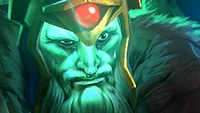 Wraith King
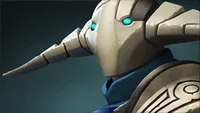 Sven
Sven
 Drow Ranger
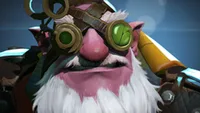 Sniper
 Dragon Knight
 Zeus
Zeus
 Bristleback
 Underlord
 Ogre Magi
 Lich
Lich
 Witch Doctor
 Lion
Lion

