
What's special about solo queue
In a party heroes are picked around combos and a shared plan. In solo there's none of that: teammates are random, coordination is at the level of pings. So it's safer to pick a hero that creates an advantage itself rather than waiting for perfect setup from strangers. The same logic drives the lists of simple heroes for beginners: the less a hero depends on others' decisions, the more steadily it climbs.
A solo hero is self-sufficient: its own save and initiation, map-wide impact, steady damage or farm with any team, and flexibility in the draft. It carries the game even when teammates don't play along.
Traits of a solo hero
Four properties to pick by for the solo queue:
- Self-sufficiency. Has its own escape or save and its own initiation — the hero doesn't hang on your teammates.
- Map impact. Mobility, ganks or split-push let you apply pressure yourself without waiting for a team-wide move.
- Consistency. Useful in both a won and a lost game: farms or deals damage steadily even without a good team.
- Flex. Fits several positions and needs no specific combos — punished by the enemy draft less often.
A narrow specialist hero that only works in a combo stalls in solo if the team doesn't play along. A self-sufficient one converts your personal decisions into an advantage directly.
Solo heroes by role
The principle is the same, the execution depends on the position:
- Carry. Valuable are heroes with their own escape and fast farm that can carry the late game alone — archetypes like Juggernaut or Anti-Mage: own save, own farm acceleration, minimal dependence on setup.
- Mid. Mobile snowballers that gank and snowball themselves — Queen of Pain, Storm Spirit: blink/mobility, sustain and solo-kill potential.
- Offlane. Tanky initiators with their own fight starter — Mars, Tidehunter: you can start a fight yourself without waiting for supports.
- Support. Roamers with map pressure — Mirana, Spirit Breaker: they create kills with mobility, not only with setup for the carry.
How to pick against a specific opponent — in the guide on counter-picks, and for current hero strength see the tier list.
Flex and consistency
The solo queue loves flexibility. A flex hero you can place on different positions is harder to punish in the pick phase and is "countered to death" less often. And consistency beats peak power: a hero useful in every game climbs more smoothly than one strong only in ideal conditions — one of the key levers in how to raise MMR.
- Take 2–3 self-sufficient heroes per role — that's both consistency and insurance against a ban or a counter-pick.
- One "meta" slot for the current patch helps at the edge of your rating, but lean on proven picks.
- Avoid narrow combo heroes that are useless without a combo: in solo, combos happen rarely.
How to narrow and deepen your choice — in the guide on the hero pool.
Solo heroes in patch 7.41f
Patch 7.41f came out on September 15, 2026. Of the eight heroes in this guide it touched three: Anti-Mage and Mars were buffed, Mirana was nerfed. Juggernaut, Queen of Pain, Storm Spirit, Tidehunter and Spirit Breaker were not changed in 7.41f. Complexity in the table is Valve's rating from the client, from one bar to three.
| Hero | Role | Complexity | What 7.41f changed |
|---|---|---|---|
| Juggernaut | carry | 1 of 3 | Not changed. Since 7.41 his innate Bladeform stacks Agility and speed bonuses while Juggernaut takes no damage — a reward for careful farming. |
| Anti-Mage | carry | 1 of 3 | Buffed: Mana Break deals 65% of the burned mana as damage instead of 60%. |
| Queen of Pain | mid | 2 of 3 | Not changed. Since 7.41e damage from two Sonic Waves cast in quick succession stacks. |
| Storm Spirit | mid | 2 of 3 | Not changed. |
| Mars | offlane | 1 of 3 | Buffed: +1 base armor — noticeable in lane. |
| Tidehunter | offlane | 1 of 3 | Not changed. Since 7.41 Kraken Shell applies a strong dispel to him if he takes more than 600/550/500/450 damage within 7 seconds — one more self-save. |
| Mirana | support | 2 of 3 | Nerfed: a Celestial Quiver charge takes 7 seconds to restore instead of 6, and Sacred Arrow's maximum stun is 2.3/3.2/4.1/5 seconds instead of 2.6/3.4/4.2/5. |
| Spirit Breaker | support | 1 of 3 | Not changed. Since 7.41 his innate Empowering Haste gives +8% movement speed for 2 seconds for every stun on a hero. |
The takeaway for solo queue: the patch knocked none of these heroes out. Mirana is a bit weaker at ganking but is still a roamer with her own stun and leap, while Anti-Mage and Mars got small buffs. If you already play one of the eight, there is no reason to change your pool because of 7.41f.
Common mistakes
These slip-ups stop you from climbing in solo queue:
- Picking for a combo with strangers. Counting on perfect setup from random teammates is a lottery.
- A hero with no save of its own. In solo there's no one to pull you out — a built-in escape sharply raises survivability.
- Too wide a pool. Twenty heroes learned a little lose to three drilled to automatism.
- Ignoring the draft. Even a self-sufficient hero sags against a direct counter-pick — account for the lineup.
Heroes mentioned in this guide:
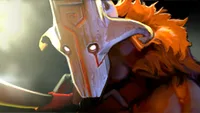 Juggernaut
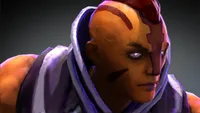 Anti-Mage
 Queen of Pain
 Storm Spirit
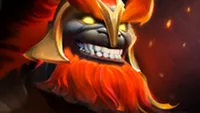 Mars
Mars
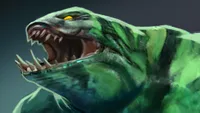 Tidehunter
 Mirana
 Spirit Breaker

